AI-generated text
EPA reinterpretation exempts AI-only data center power plants from federal acid rain rules
Regulation · July 28, 2026
The U.S.
In this article · 5
The U.S. Environmental Protection Agency (EPA) has issued a legal interpretation finding that power plants supplying electricity exclusively to artificial intelligence (AI) data centers and not connected to the public grid are not subject to the federal acid rain program. According to Reuters, the agency reinterpreted an existing statute rather than creating a new regulation.
What is the acid rain program?
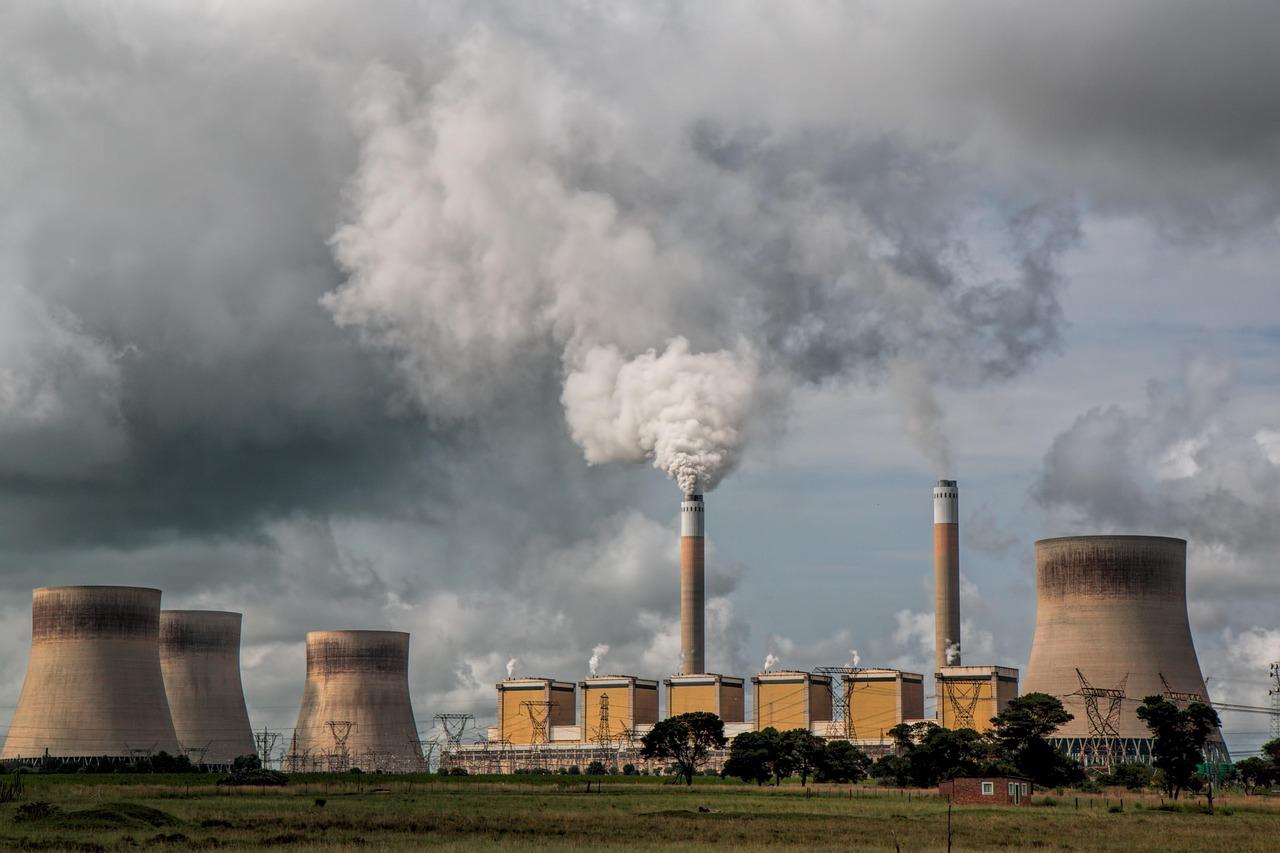
The U.S. acid rain program is a key regulatory tool for reducing emissions of sulfur dioxide (SO2) and nitrogen oxides (NOx). Those pollutants contribute to acid rain, smog and fine particulate matter (PM2.5), and controlling them is central to the EPA’s efforts to protect air quality and public health.
What does the reinterpretation change?
Under the EPA’s interpretation, isolated power plants dedicated to serving AI data centers can be exempt from the acid rain program’s requirements. The stated aim of the reinterpretation is to accelerate the expansion of American AI infrastructure by giving AI developers greater flexibility about where and how quickly they can build new facilities. The EPA did not alter substantive rules; it provided a new reading of an existing legal provision.
Political and economic context
The move aligns with Donald Trump’s “Ratepayer Protection Pledge,” which holds that the energy costs of newly built AI data centers should be borne by developers rather than residential ratepayers. Practically, the EPA’s interpretation could make it easier and faster to site and build energy capacity for AI operations in locations that might previously have faced regulatory constraints.
Controversy and public reaction
The reinterpretation is contentious. There have been protests in multiple U.S. locations opposing the spread of large, energy-intensive data centers. Critics warn that exempting such power plants from acid rain controls could weaken protections for air quality, particularly in regions where these facilities operate.
Why this matters
AI’s rapid growth has driven a substantial increase in electricity demand from data centers. The EPA’s guidance may directly shape how and where AI infrastructure grows in the United States and could prompt further legal and environmental debates over emissions oversight.
(Based on the Reuters report.)
Related articles More from the section.

Nvidia pauses some server shipments to Southeast Asia
Nvidia has told manufacturing partners to pause server shipments to four Southeast Asian countries while it reviews compliance with U.S.
Regulation · November 26, 2026
Lawyer warns companies of AI compliance and data protection risks
At the AI & Digital Transformation 2026 conference, Taylor Wessing lawyer János Kopasz warned that companies face regulatory risks even before the EU AI Act is fully applied.
Regulation · November 26, 2026
Pentagon Denies Report of Proposed Pressure to Restore Jensen Huang at Nvidia
The Washington Post reported that Pentagon leaders discussed using a Cold War-era law to pressure Nvidia over Jensen Huang’s return as chief executive, a claim a Defense Department official denied.
