AI-generated text
Economists: US Data Center Buildout Likely Strong in 2027, Political Pushback May Slow Growth Afterwards
Industry · November 11, 2026
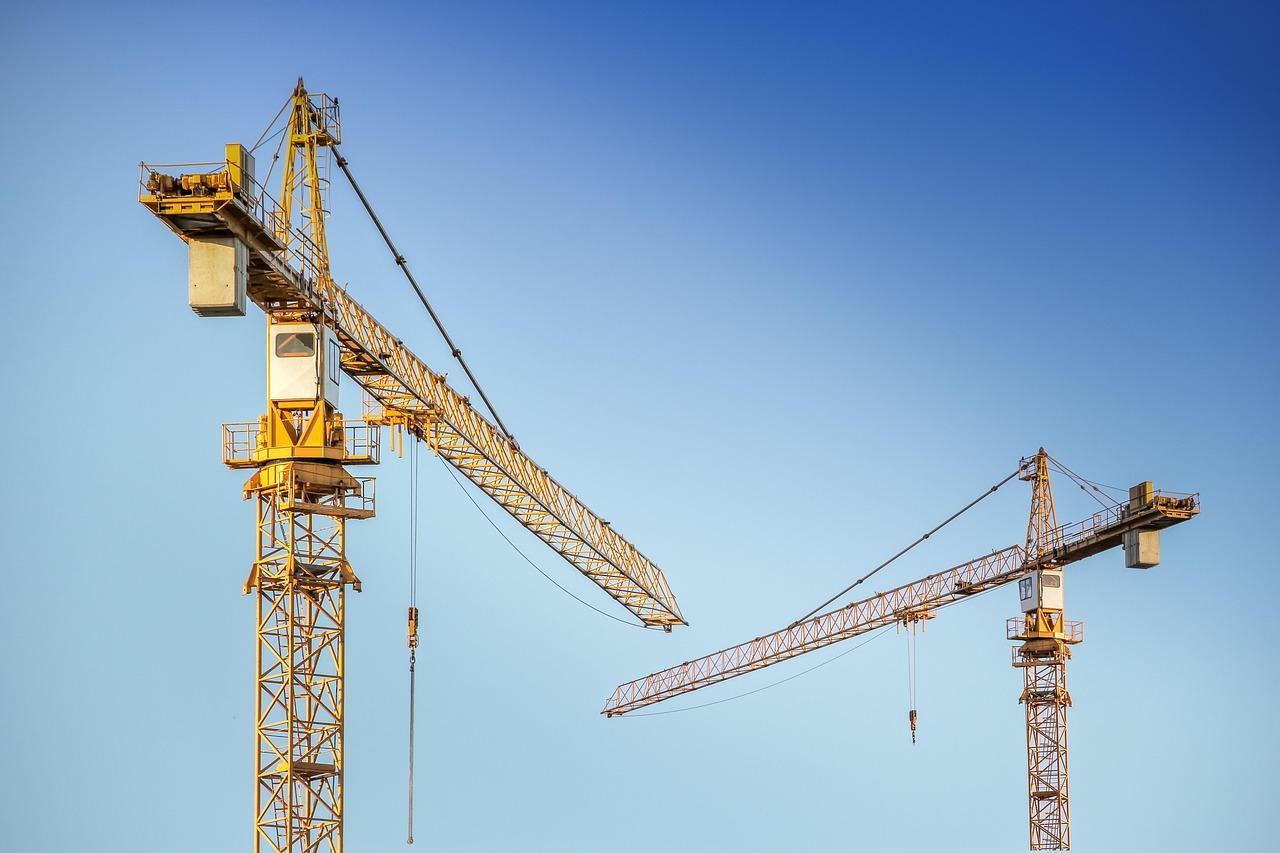
Economists say the results of the US midterm elections—which reinforced public opposition to large-scale AI infrastructure—are unlikely to significantly curb data center construction in 2027, but could contribute to a slowdown in subsequent years.
In this article · 3
Results from the US midterm elections, which reinforced growing public opposition to large-scale AI infrastructure projects, are expected to have limited direct impact on data center construction in 2027. Economists and major-bank analyses say the investment wave should remain strong next year, but political pushback could lead to a slowdown in subsequent years.
Forecasts from financial institutions
JP Morgan projects that AI-related capital expenditure in the United States will reach at least $1.5 trillion in 2027. The bank adds that political resistance could keep spending largely flat in 2028.
HSBC described AI infrastructure investment as "one of the most important engines of US growth and jobs, and we believe states will be reluctant to turn it away." Even so, the bank cautions that preserving those investments is not uniformly guaranteed across jurisdictions.
Barclays analysts summarized the risks this way: "Put simply, the economic benefits of AI are diffuse, while the costs are relatively concentrated." That dynamic can spur local opposition and political constraints, particularly where infrastructure projects produce visible local impacts.
Why it matters
Data center and AI infrastructure investments bring substantial capital and employment and play a key role in national technological competitiveness. At the same time, municipal and state decision-making, environmental and service requirements, and public sentiment can influence where and to what extent projects proceed.
Conclusion
Current forecasts indicate that US AI-related investment and data center construction should remain strong through 2027, but political resistance and the concentrated nature of local costs could dampen growth after 2028. Analysts say the future trajectory will partly hinge on how policymakers and communities address the distribution of benefits and burdens.
(Source: Prashant Rao)
Related articles More from the section.

Redesigned business processes show potential for large-scale AI automation
Executives at Portfolio’s AI & Digital Transformation conference described AI systems already handling insurance claims, IT support and pharmaceutical safety reports.
Industry · November 26, 2026
SMP Solutions adopts AI-led software development model
SMP Solutions has redesigned its software development process around AI-generated specifications and code, backed by automated checks.
Industry · November 26, 2026
Hungarian organisations launch voluntary ethical AI pledge
Egyenlítő Alapítvány and IVSZ – Digitális Vállalkozások Szövetsége have launched a voluntary manifesto promoting fair and responsible AI development and use.
