AI-generated text
Earth AI uses machine learning to locate critical mineral deposits
Industry · June 4, 2026
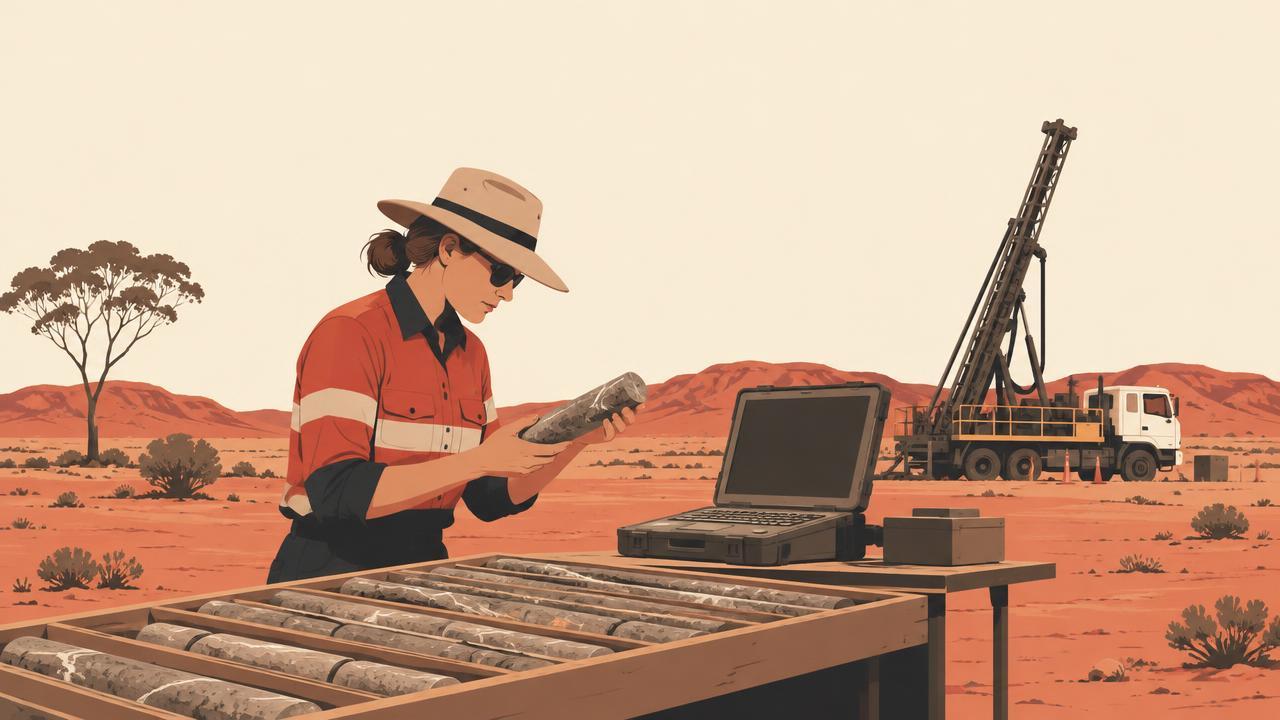
Earth AI trains machine-learning models on decades of geological data and satellite imagery to predict promising sites for critical minerals such as lithium, copper, nickel, cobalt, palladium, graphite and rare earths.
Earth AI, a mineral exploration company, is using artificial intelligence (AI) to identify potential deposits of critical minerals. The targeted materials include lithium, copper, nickel, cobalt, palladium, graphite and rare earth elements — all increasingly required for data centers, electric vehicle batteries and grid-scale energy storage.
Why this matters now
Citing United Nations data via New Atlas, the global trade in critical minerals was about $2.5 trillion in 2023. Rising demand from consumer electronics, telecommunications and military technology is expected to triple that market by 2030 and quadruple it by 2040.
At the same time, easily discoverable deposits have largely been found, and new discoveries have become rarer despite increased exploration spending. To address this challenge, Earth AI turned to machine learning.
How Earth AI works
Rather than relying solely on traditional exploration methods and geological intuition, the company trained AI models on vast geological datasets. Decades of geological records, satellite imagery and historical mining data were fed into these models, which then predict where valuable minerals might be located — including in areas human experts previously considered unpromising.
The models do not search for a single perfect strike but filter very large geographic areas rapidly to highlight specific points worthy of drilling.
To verify locations, Earth AI uses its own relatively low-impact, mobile drilling technology. When targets are confirmed, the company sells the rights to successful projects to mining firms.
Results so far
Earth AI says it has identified several previously unknown deposits across Australia, including sites containing copper, cobalt and gold ores. The company reports a discovery rate of 75 percent for its targets, compared with an industry average of around 1 percent. Announced finds include a large underground nickel and palladium deposit off Australia’s east coast and an indium deposit — indium being important for AI-related semiconductors.
Industrial and geopolitical implications
AI itself drives substantial demand for raw materials, and now AI is being used to locate those same resources. AI-driven mineral exploration therefore has implications beyond technology and business: it can influence geopolitical dynamics by shaping which regions control supply chains for future technologies.
Earth AI’s approach illustrates how big data and machine learning can augment traditional mining practices to improve discovery efficiency, while also raising questions about land use, environmental disturbance and strategic access to critical materials.
Sources: Earth AI; New Atlas (citing UN data).
Related articles More from the section.

Tech Selloff Resumes as Neocloud Debt Concerns Grow
Technology stocks fell again on Wednesday as a rally following Jensen Huang’s return to Nvidia lost momentum.
Industry · November 25, 2026
How to Assess the Business Impact of AI-Assisted Development
AI-assisted software development can be costly, and its returns remain uncertain.
Industry · November 25, 2026
Huang’s Conduct Admission Tests Nvidia’s Workplace Culture
Jensen Huang has acknowledged violating Nvidia’s code of conduct while arguing that a breach does not automatically require dismissal.
