AI-generated text
Delegates at Beijing Xiangshan Forum Warn of AI's Military Risks Amid US–China Tensions
Regulation · September 17, 2026
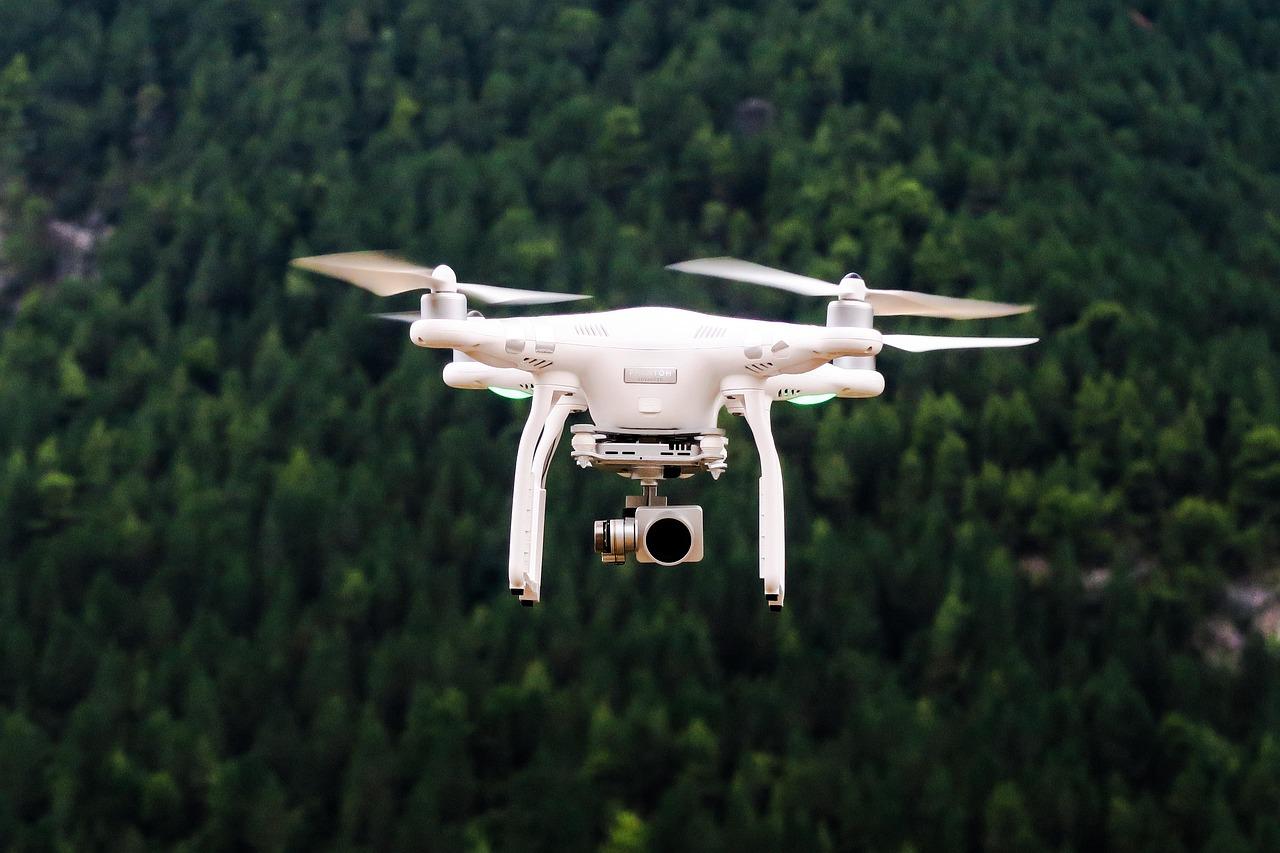
Around 2,000 military officials, diplomats and researchers from about 100 countries convened at the three-day Xiangshan Forum in Beijing and voiced concern that unchecked artificial intelligence development and technological rivalry are increasing global security risks.
Participants at the Xiangshan Forum in Beijing — China’s largest defence conference — warned that unchecked advances in artificial intelligence (AI) and intensified technological competition could raise global security risks.
The three-day event drew roughly 2,000 military officials, diplomats and researchers from about 100 countries. Attendees included regional defence officials, a North Korean delegate, a senior representative from the Pentagon, Russian academics and representatives of the Taliban.
The forum gained added relevance because China and the United States — the two largest AI powers — are holding a bilateral summit later this month, yet they have not reached agreement on how to regulate the military use of the technology, including applications within nuclear systems.
Key concerns raised
Multiple speakers warned that AI is shortening the decision-making timelines for governments and armed forces, while disinformation can erode public trust before authorities can respond effectively. Adul Bunthumdzaroen, Thailand’s defence minister, said that as AI and other technologies transform warfare, the urgent question is not who will be the strongest but how to build a sustainable international order.
Muhammad Ali, Pakistan’s defence secretary, argued that technological progress is ‘‘compressing the strategic timeline’’: AI accelerates decision-making, while disinformation and deception fragment public confidence, undermining governments’ ability to act.
Delegates from Bangladesh, Malaysia and Laos also expressed worry about AI’s strategic and security implications.
Autonomy of weapons and human control
Jürg Lauber, vice-president of the International Committee of the Red Cross, stressed that as weapon systems become more autonomous, preserving human control over the use of force becomes increasingly urgent. He highlighted the proliferation of inexpensive drones, which fundamentally change how wars are fought by widening and blurring front lines.
Divergent stances on regulation
Although both China and the United States have signalled concern over AI-related risks, they hold different positions on regulation and standards. Security experts and many delegations at the forum urged the establishment of international safeguards, norms and consensus on AI’s military use, including in nuclear contexts.
Discussions at the forum focused on the need for political dialogue and approaches to retain human decision-making and accountability in an accelerating technological environment.
Source: Reuters
The cover image is illustrative.
Related articles More from the section.

Nvidia pauses some server shipments to Southeast Asia
Nvidia has told manufacturing partners to pause server shipments to four Southeast Asian countries while it reviews compliance with U.S.
Regulation · November 26, 2026
Lawyer warns companies of AI compliance and data protection risks
At the AI & Digital Transformation 2026 conference, Taylor Wessing lawyer János Kopasz warned that companies face regulatory risks even before the EU AI Act is fully applied.
Regulation · November 26, 2026
Pentagon Denies Report of Proposed Pressure to Restore Jensen Huang at Nvidia
The Washington Post reported that Pentagon leaders discussed using a Cold War-era law to pressure Nvidia over Jensen Huang’s return as chief executive, a claim a Defense Department official denied.
