AI-generated text
DeepSeek develops in-house inference chip to reduce reliance on foreign processors
Business · July 7, 2026
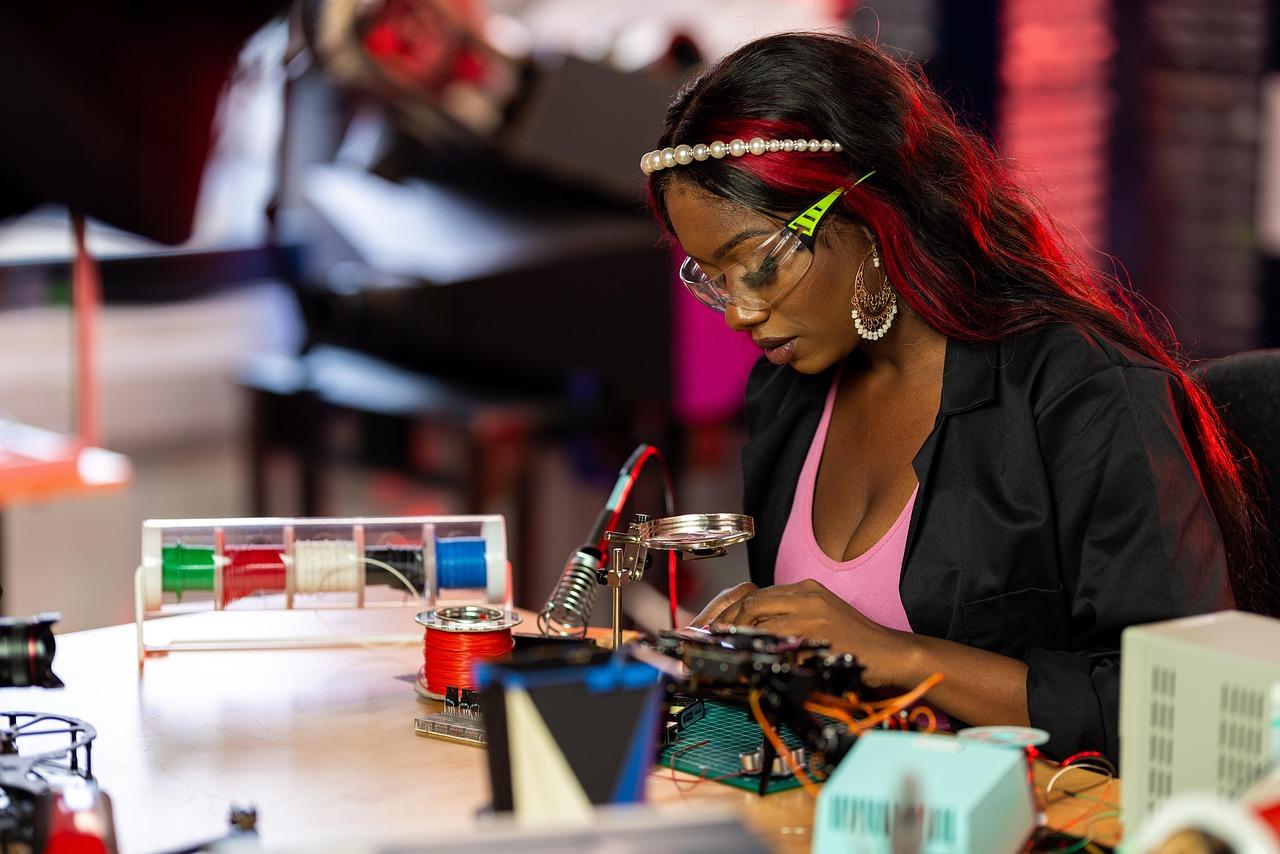
Chinese AI firm DeepSeek has begun developing its own inference chip, a project started about a year ago aimed at running trained models more efficiently and reducing dependence on Nvidia and Huawei processors.
In this article · 6
Chinese AI company DeepSeek has started developing its own inference chip, according to three sources familiar with the matter. The initiative aims to lower the firm's reliance on external processors from Nvidia and Huawei, which have been used to train and run its widely adopted models.
Intended use of the new chip
The planned chip is intended for inference—the phase where a trained model generates outputs for users—rather than for model training. Inference chips are typically more cost-efficient and energy-efficient than general-purpose GPUs and can be optimized specifically for running large AI models, making them a strategically important segment.
Project status and partnerships
Development began roughly a year ago. In recent months DeepSeek has quietly increased the number of chip-design engineers on staff without public job postings, and it is now seeking external partners and holding talks with chip designers, manufacturers and memory suppliers. The project remains in an early stage, according to the sources.
Strategic context in China and globally
The move carries strategic weight in China, where U.S. export restrictions prevent access to the most advanced Nvidia chips and Beijing is pushing domestic technology champions to build local alternatives. Huawei captured about half of China’s roughly $50 billion domestic AI chip market following U.S. export curbs, and has been a supplier to DeepSeek and other leading firms. However, Huawei’s dominance appears to be weakening as Alibaba and Baidu also develop their own chips.
DeepSeek previously used a mix of suppliers: the variant that underpinned its R1 model was trained on Nvidia H800 processors, but the company has increasingly relied on Huawei, and in April released a V4 model optimized for Huawei Ascend chips.
Broader industry trend
DeepSeek’s step mirrors a global trend of AI companies moving toward customized inference hardware. For example, OpenAI in June unveiled Jalapeno, its first inference chip developed with Broadcom, and Anthropic is reportedly considering its own hardware design.
Risks and constraints
Developing a competitive chip is neither quick nor cheap: it can take years and large capital investments. U.S. sanctions also complicate manufacturing by cutting Chinese designers off from the most advanced foreign fabs and high-bandwidth memory components, which could hinder production and scaling.
Financial backdrop
The chip project coincides with DeepSeek’s first move to open to external investors. Reports in June indicated the company plans to raise about $7 billion in funding, which would occur at a valuation in the $52–59 billion range.
The company has not publicly disclosed further details or the identities of any partners for the chip project.
Related articles More from the section.

Banks Seek to Transfer AI Loan Risk to Investors
Banks including Citi and JPMorgan are marketing loan portfolios as they manage their exposure to AI-related debt, according to people familiar with the deals.
Business · November 26, 2026
Nvidia Credit Outlook Shift Raises Questions for AI Financing
Moody’s has changed Nvidia’s credit outlook from positive to stable, while S&P Global has raised concerns about the departure and return of CEO Jensen Huang.
Business · November 26, 2026
Xpeng plans humanoid robot launch as it expands beyond electric cars
Chinese electric vehicle maker Xpeng plans to launch its IRON humanoid robot in the second quarter of next year, with a price comparable to a mid-range electric car.
