AI-generated text
DeepMind open-sources WeatherNext cyclone model, lowering compute barrier for storm forecasting
Model launches · August 7, 2026
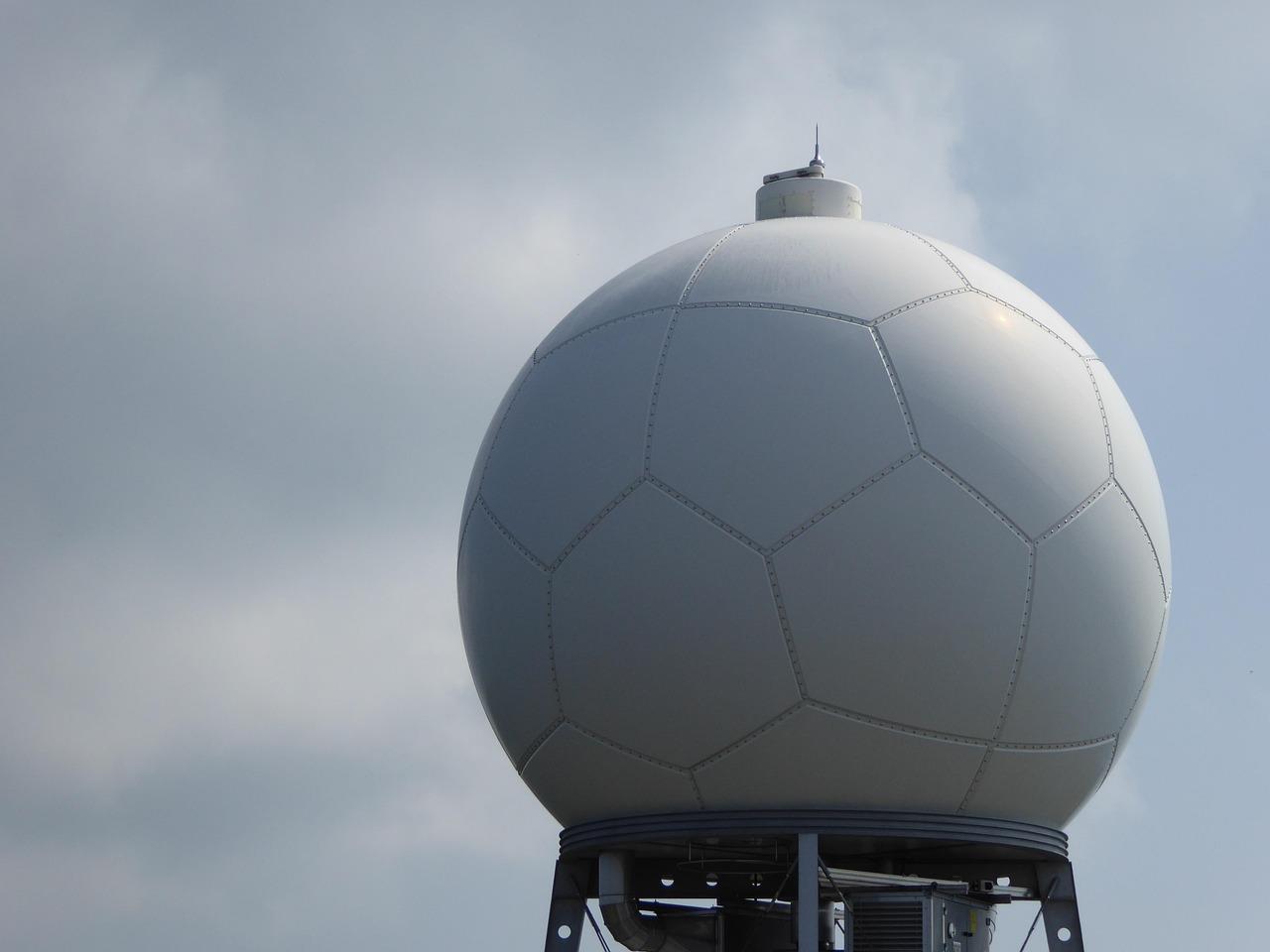
Google DeepMind has released WeatherNext — the cyclone forecasting model published in Nature — making its trained weights publicly available and providing a lightweight Colab-ready version.
In this article · 5
Google DeepMind has released WeatherNext — the cyclone forecasting model it described in Nature — and made the trained weights publicly available. The release includes a compact "mini" version that can be run in Google Colab, allowing users to test the model without large-scale compute resources.
Performance and efficiency
According to DeepMind, WeatherNext reaches state-of-the-art accuracy for storm track, intensity, and wind predictions. The company reports the model effectively buys forecasters an extra day of usable warning time: its three-day forecast matches the accuracy older models achieved for two days. The model also operates on much coarser spatial data than conventional numerical models — DeepMind mentions roughly 100× coarser resolution — which substantially reduces computational demand.
Real-world use: Hurricane Melissa, 2025
DeepMind says WeatherNext has already been used operationally: it aided the National Hurricane Center in flagging rapid intensification of Hurricane Melissa in 2025. This example suggests the model's signals can be useful in live forecasting situations, not only in retrospective evaluations.
Why this matters
Historically, running the most advanced storm models required supercomputers or significant national resources, putting them out of reach for many small agencies and low-income countries. By publishing the model weights and offering a lightweight Colab-ready variant, DeepMind lowers the financial and technical barriers. Smaller weather services, regional disaster-response centers, and institutions in developing countries can potentially deploy state-of-the-art cyclone forecasts without investing in large on-premise supercomputing infrastructure.
Limitations and next steps
Although WeatherNext uses coarser input data and can run on lighter hardware, operational adoption still requires local data integration, oversight, and validation. The public release enables agencies and researchers to compare, adapt, and fine-tune the model for local conditions, but real-world implementation will involve further testing and integration into forecasting workflows.
Summary
Making WeatherNext's weights and a runnable mini version publicly available is a significant step toward democratizing advanced storm forecasting: DeepMind has lowered a key cost barrier that previously limited access to cutting-edge cyclone prediction.
Related articles More from the section.

Gemini 4 Neon gains early traction across Google services and APIs
Google says Gemini 4 Neon set a first-day usage record on its paid APIs, while Perplexity reports rapidly growing token volumes.
Model launches · November 23, 2026
Z.ai releases GLM-5.4 with a looped transformer architecture
Chinese AI lab Z.ai has released GLM-5.4, its first model built around a looped transformer architecture.
Model launches · November 20, 2026
Thinking Machines Lab releases Inkling 2 Mini for local AI
Inkling 2 Mini is a multimodal model designed for local use, with roughly 26 billion total parameters and a one-million-token context window.
