AI-generated text
China Protests U.S. AI-Related Sanctions; Warns of Countermeasures
Regulation · July 27, 2026
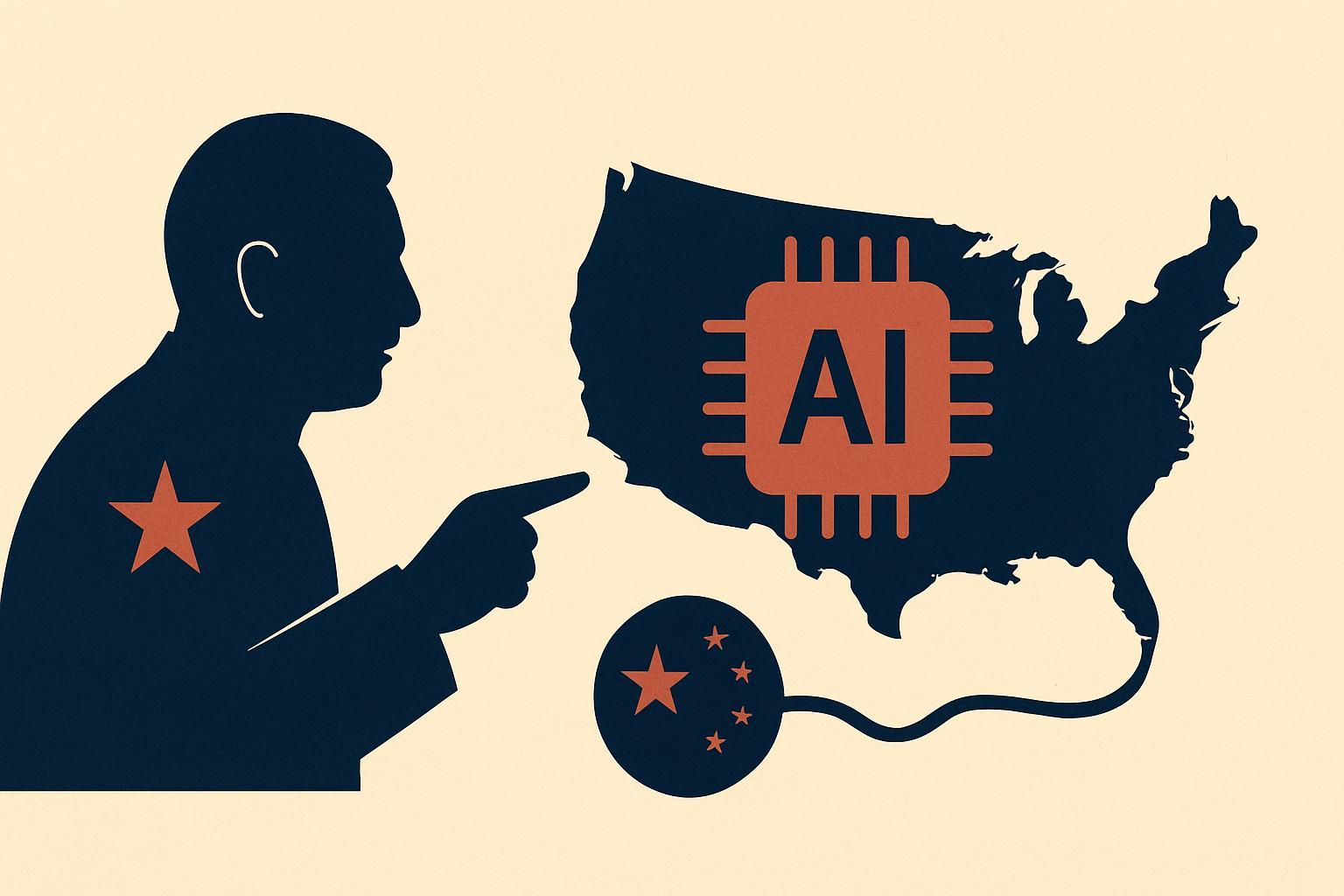
China lodged a muted protest over new U.S.
China on Monday issued a restrained protest against the United States' latest tariffs but did not announce immediate retaliatory measures. The government adopted a stronger tone, however, in response to Washington's proposed sanctions targeting Chinese artificial intelligence (AI) companies.
Beijing said that, as part of the trade truce between the two countries, Washington had agreed to cap tariffs at 20%. Analysts noted the new duties would likely have a limited effect on China.
At the same time, China declared it would take "all necessary measures" to counter any U.S. move to penalize Chinese firms accused of stealing American intellectual property through the distillation of AI models. The rhetoric underscores how central AI has become to the economic contest between the two powers.
The White House has also considered banning China’s open-source models, a step that would reflect the growing overlap of technological, security and trade concerns in U.S.-China relations.
Why this matters
- The 20% tariff cap suggests both sides are seeking some compromise in managing trade tensions.
- Beijing’s pledge to take "all necessary measures" signals that it regards potential AI-related sanctions as a serious threat to Chinese firms and to broader bilateral ties.
- That the U.S. has weighed banning open-source models shows how policy on emerging technologies is being used as a lever in geopolitical and economic competition.
How the situation evolves will depend on which specific measures Washington chooses to implement and how Beijing responds.
Related articles More from the section.

Attorneys general challenge proposed sale of Character.ai user data
A coalition of 42 attorneys general is seeking to stop the sale of Character.ai user data in the company’s bankruptcy proceedings.
Regulation · November 25, 2026
European Commission proposes technology fund for AI and quantum development
The European Commission has proposed a technology investment fund of up to €50 billion to support European artificial intelligence and quantum computing.
Regulation · November 25, 2026
Nvidia faces continued scrutiny over chips allegedly diverted to China
Jensen Huang’s return as Nvidia CEO has not ended questions about whether the company knew its chips might be diverted to China by customer Megaspeed.
