AI-generated text
ChatGPT Work speeds creation of review-ready analysis for data science teams
Tools · July 14, 2026
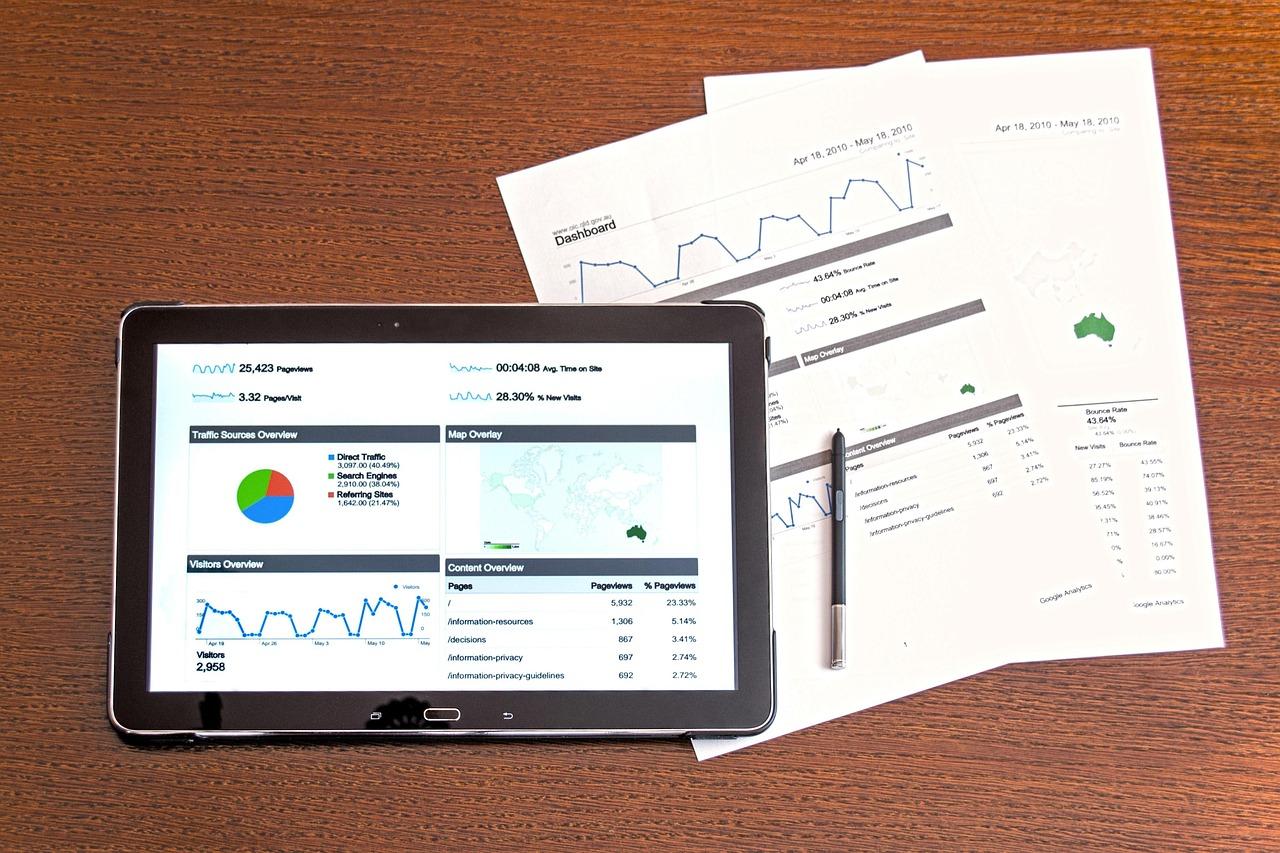
ChatGPT Work helps data science teams convert dashboards, metric definitions, raw exports, experiment notes and business context into first-draft analysis deliverables faster.
In this article · 5
ChatGPT Work is designed to shorten the time data science and analytics teams spend preparing initial analysis deliverables. The product can take disparate inputs — dashboards, metric definitions, data exports, experiment notes and business context — and assemble a coherent, editable first draft of an analysis.
What the tool produces
From the collected inputs, ChatGPT Work generates concrete assets that ease reporting and internal review workflows:
- drafts of charts and visualizations,
- caveats and notable limitations,
- links to original sources,
- review questions to guide validation and team discussion.
These outputs help teams verify analyses more quickly, iterate on content, and share work with greater confidence.
Where to see the demo
A recorded webinar demonstrates these workflows; the recording was made when the flows lived in the former Codex app. The same processes are now available via ChatGPT Work at chatgpt.com and in the ChatGPT desktop app.
Try it with real use cases
The provider also publishes example use cases so teams can try ChatGPT Work on real data-science tasks. These examples show how existing dashboards and exports can be integrated into a faster reporting process.
Why it matters
Data teams often must combine many partially structured information sources. Tools that automatically consolidate inputs and produce a review-ready draft can save time and reduce repetitive manual work. ChatGPT Work aims to assist at that stage by adapting generated content to the team’s existing sources.
Note
At the time the webinar was recorded, the demonstrated workflows were part of the former Codex app; the same workflows are now accessible within ChatGPT Work.
Related articles More from the section.

Claude creates game-style map from US public data
A developer used Anthropic's Claude Code application and Opus 5.5 model to create a Civilization-style map of the United States.
Tools · November 26, 2026
Latest version of workflow promises tenfold speedup
According to the developers of the workflow package, workflows have become ten times faster once again, reducing latency between turns in systems such as @eve, libfx, pi and opencode.
Tools · November 25, 2026
Linear shifts product strategy toward AI agents
Linear is recasting its issue tracker as a product development system built around coordinating AI agents.
