AI-generated text
Big Tech builds Nvidia alternatives as Microsoft readies Maia 300 for 2027 rollout
Industry · October 13, 2026
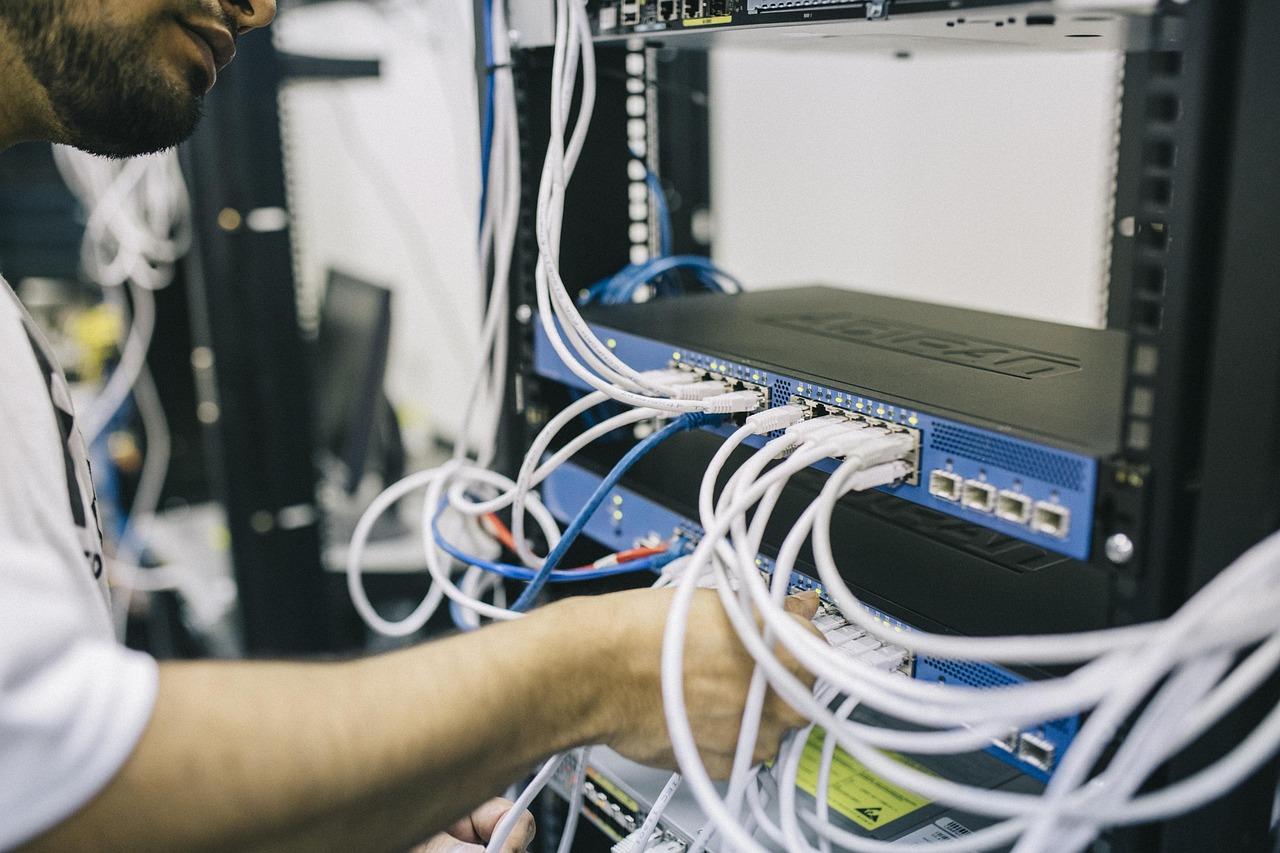
Microsoft announced Maia 300, a custom AI accelerator it plans to deploy beginning in 2027 and to use as the primary inference platform for its own services.
In this article · 5
Microsoft has introduced Maia 300, a custom AI accelerator it plans to begin deploying in 2027 and to use as the primary inference system for its own products and services. The company says Maia 300 will deliver 40% more AI tokens per megawatt than leading GPU-based systems and that its design minimizes unnecessary data movement between chips and memory.
Why this matters
The announcement is part of a wider industry shift: major Nvidia customers are developing their own silicon to reduce costs, improve performance and gain greater control over their infrastructure. The change is particularly relevant for inference workloads—the compute used to generate AI responses—because more complex models and autonomous agents are increasing demand, and data movement between chips and memory has become a growing bottleneck.
Other companies building custom chips
Microsoft is not alone. Several large players are pursuing custom AI silicon:
- Google has long developed Tensor Processing Units (TPUs), with its latest generation offering separate variants optimized for training and for inference.
- OpenAI is building the Jalapeño chip with Broadcom, initially focused on inference. In August, OpenAI said its first chip outperformed Nvidia hardware on certain workloads and that it is already developing subsequent generations.
- Amazon markets the Trainium family of AI chips, used by customers including Anthropic; OpenAI has also committed to using Amazon’s custom silicon as part of a major infrastructure agreement.
- Anthropic confirmed in August that it is exploring its own chip designs while continuing to rely on chips from Nvidia, Amazon and other suppliers.
- Meta runs an internal chip development program while still purchasing significant compute capacity from Nvidia and others.
Constraints and context
Developing competitive AI hardware requires system-level design spanning memory, networking, software and power optimization. However, companies making their own chips remain dependent on limited manufacturing capacity, advanced packaging, and high-bandwidth memory—the same constraints affecting Nvidia. That means custom silicon can reduce reliance on Nvidia but does not remove broader supply-chain bottlenecks.
Nvidia itself remains commercially strong: the company’s revenue more than doubled to $96 billion in the second quarter, underscoring that overall demand for AI compute is large enough to accommodate both Nvidia and new entrants.
Focus on inference
Most of the competitors, including Microsoft, are prioritizing inference workloads, where margins tend to be highest. Rani Borkar, Microsoft’s president of Azure Hardware Systems and Innovation, told Axios that Maia is prioritized for inference because it is the largest and fastest-growing opportunity in AI compute and an area where Microsoft can differentiate on cost and efficiency.
Borkar also emphasized that Microsoft does not view this as an either-or strategy: "For us, it's not an either-or strategy. We want a broad ecosystem while investing deeply in our first-party silicon." She cautioned that the transition will not be immediate: deployments of Maia 300 begin in 2027, and scaling to multi-gigawatt levels will take additional time beyond the next year.
Bottom line
Nvidia remains central to the AI boom, but its largest customers are increasingly trying to control more of the technology powering their services and capture more of the economic value. Microsoft’s Maia 300 announcement, and similar efforts across the industry, mark a shift from relying solely on third-party GPUs toward building vertically integrated hardware for inference workloads.
Related articles More from the section.

Magyar Telekom expands Budapest data center for AI workloads
Magyar Telekom is investing several billion forints to expand its Budapest data center for conventional computing and AI-related workloads.
Industry · November 25, 2026
AI and commercial data requests put pressure on US public records offices
Public records offices across the United States are facing growing workloads as businesses collect government purchasing data and individuals use AI to draft requests.
Industry · November 25, 2026
Asian tech shares fall as investors question returns on AI spending
Asian technology stocks fell sharply on Wednesday after another sell-off on Wall Street, with Japanese companies exposed to the AI supply chain among the biggest losers.
