AI-generated text
Australia proposes revenue-based fines for online platform harms
Regulation · November 24, 2026
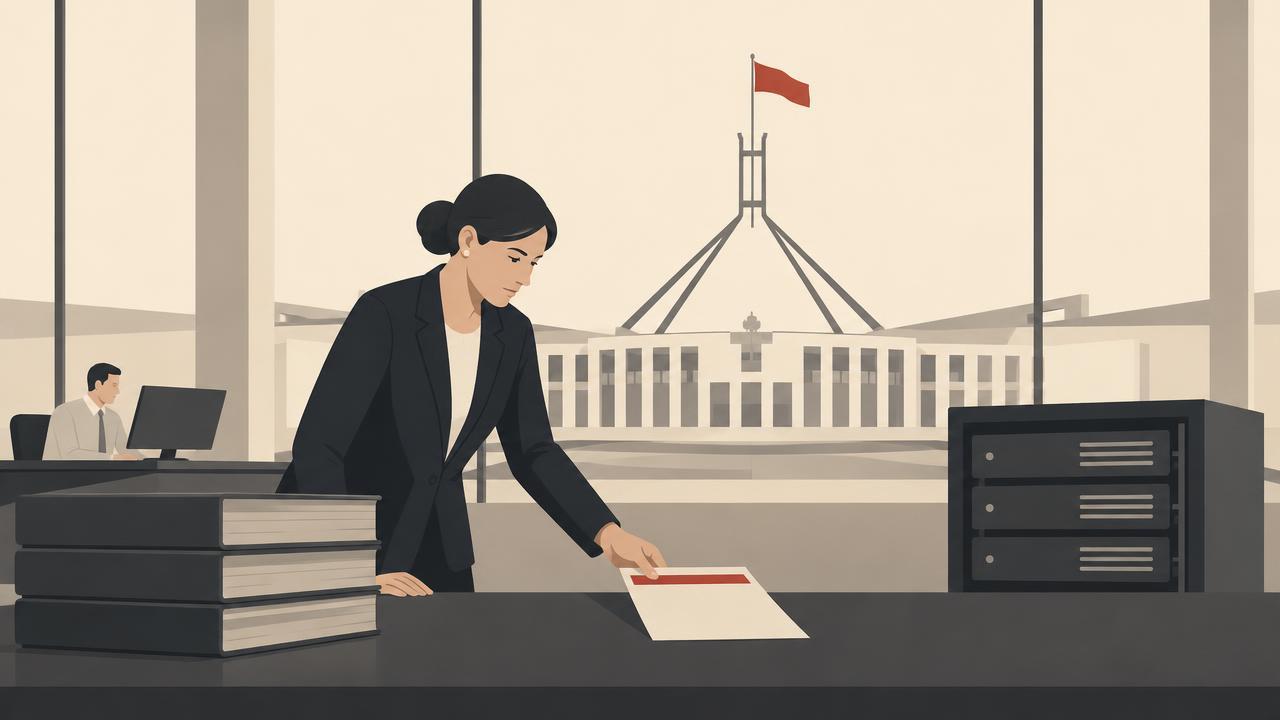
Australia’s government wants online platforms to face fines of up to 5% of global annual revenue for failing to address harmful content and addictive features.
In this article · 2
Australia’s government is proposing fines of up to 5% of global annual revenue for technology companies such as Google and Meta if they fail to remove harmful content and addictive features from their platforms. The bill would also allow users to sue platforms directly over violations affecting them.
The centre-left Labor government announced the tougher measures after reaching a Senate agreement with the Greens, giving the proposal a parliamentary majority. The penalty detailed on Tuesday would be substantially higher than the previously proposed maximum of 109 million Australian dollars, or about 72.2 million US dollars. The largest platforms generate hundreds of billions of dollars in annual revenue.
Communications Minister Anika Wells described the proposal as an urgent and significant reform. Parliament could pass it as early as this week.
A broad duty for digital services
The proposed digital duty of care law would replace the existing patchwork of online industry codes with a single comprehensive law. It would cover services ranging from messaging apps and search engines to artificial intelligence chatbots. Providers would be required to proactively screen for and prevent risks to users.
The targeted material includes child sexual abuse imagery, non-consensual fake nude images, content related to gender-based violence, the promotion of self-harm and terrorism-related material.
Prime Minister Anthony Albanese told parliament that the government was standing with parents and children rather than foreign technology companies. He described the reform as a world first and linked it to Australia’s earlier ban on social media use by children under 16.
Industry concerns
Technology companies generally support stronger child protection and efforts to curb harmful content, but most have opposed the proposal. They argue that it would give government officials too much discretion to decide what constitutes harmful material.
Even before the proposed increase in penalties, industry representatives warned that fear of sanctions could lead platforms to censor excessively and remove content without justification. A spokesperson for Digital Industry Group, which represents technology platforms, declined to comment because the organisation had not yet seen the amended bill. Representatives of Google, Meta and Snapchat also declined to comment.
Related articles More from the section.

Nvidia faces continued scrutiny over chips allegedly diverted to China
Jensen Huang’s return as Nvidia CEO has not ended questions about whether the company knew its chips might be diverted to China by customer Megaspeed.
Regulation · November 25, 2026
Maryland Governor Wes Moore Calls for Urgent Congressional Action on AI
Maryland Governor Wes Moore says Congress should treat artificial intelligence oversight as an emergency during the first 100 hours of Democratic control.
Regulation · November 25, 2026
Huang-linked firms used AI servers to secure Chinese data centre financing
Companies linked to Chinese businesswoman Alice Huang pledged AI servers and modules as collateral for data centre financing, according to central bank records reviewed by Reuters.
