AI-generated text
Apple used AI and 3D printing to design and produce the Duo's hinge
Industry · September 9, 2026
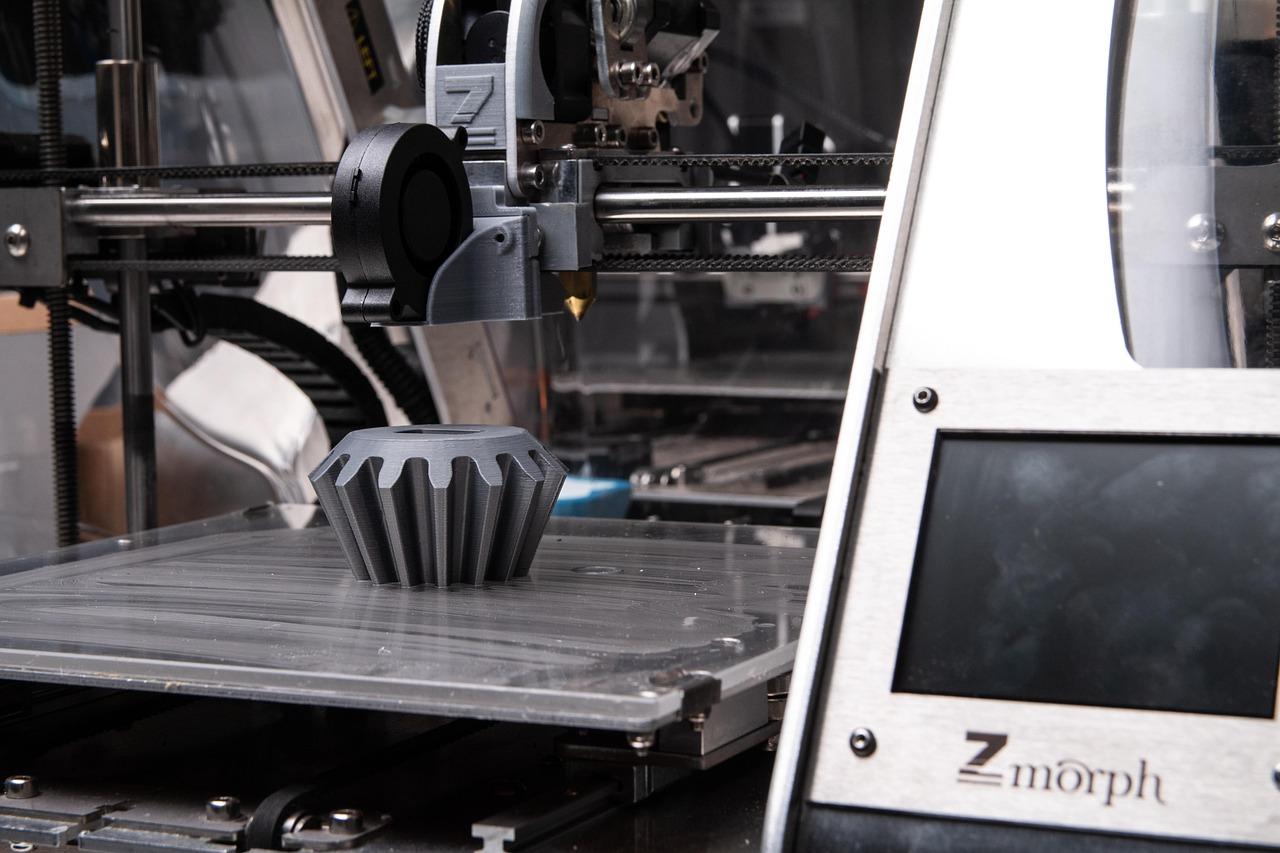
Apple says its first foldable phone, the Duo, includes a hinge manufactured with the aid of artificial intelligence and 3D printing to address common durability issues of foldable devices.
Apple has introduced its first foldable phone, the Duo, and says a key element—its hinge—was both designed and manufactured using artificial intelligence and 3D printing. The company presented these details during its "Surprise and Shine" event.
Foldable devices have generated substantial consumer interest, but many models have struggled with durability because they undergo more mechanical stress than conventional smartphones. Apple asserts that it incorporated specific protections into the Duo to address those typical wear-and-tear issues.
Johny Srouji, Apple’s chief hardware officer, described the manufacturing process for the hinge as including the following components:
- AI algorithms that match each individual hinge with its best-fit housing to ensure precise alignment;
- a confocal laser that progressively scans the topology of every single unit;
- up to 25 micro layers of a custom photopolymer 3D printed onto each unit to eliminate residual waviness.
Srouji also said the Duo features a custom nano-texture finish intended to significantly reduce glare and reflections, and that Apple implemented a multi-layer lamination strategy aimed at improving the device’s durability.
According to Apple, these measures should help mitigate the degradation commonly seen in foldable phones. Whether these protections will keep the Duo in better physical condition over time remains to be seen, and will depend on real-world use and independent testing.
Why this matters
If Apple’s approach improves longevity without compromising usability, the Duo could mark an important step for foldable devices in the broader smartphone market. The combination of AI-driven matching and 3D-printed micro layers also highlights how automated processes and additive manufacturing can be applied to precision hardware production. However, long-term performance and resistance to wear will be determined by user experience and third-party durability tests.
Related articles More from the section.

Tech Selloff Resumes as Neocloud Debt Concerns Grow
Technology stocks fell again on Wednesday as a rally following Jensen Huang’s return to Nvidia lost momentum.
Industry · November 25, 2026
How to Assess the Business Impact of AI-Assisted Development
AI-assisted software development can be costly, and its returns remain uncertain.
Industry · November 25, 2026
Huang’s Conduct Admission Tests Nvidia’s Workplace Culture
Jensen Huang has acknowledged violating Nvidia’s code of conduct while arguing that a breach does not automatically require dismissal.
