AI-generated text
Anthropic hires specialists to prevent AI-enabled chemical, nuclear and other harms
Safety · July 15, 2026
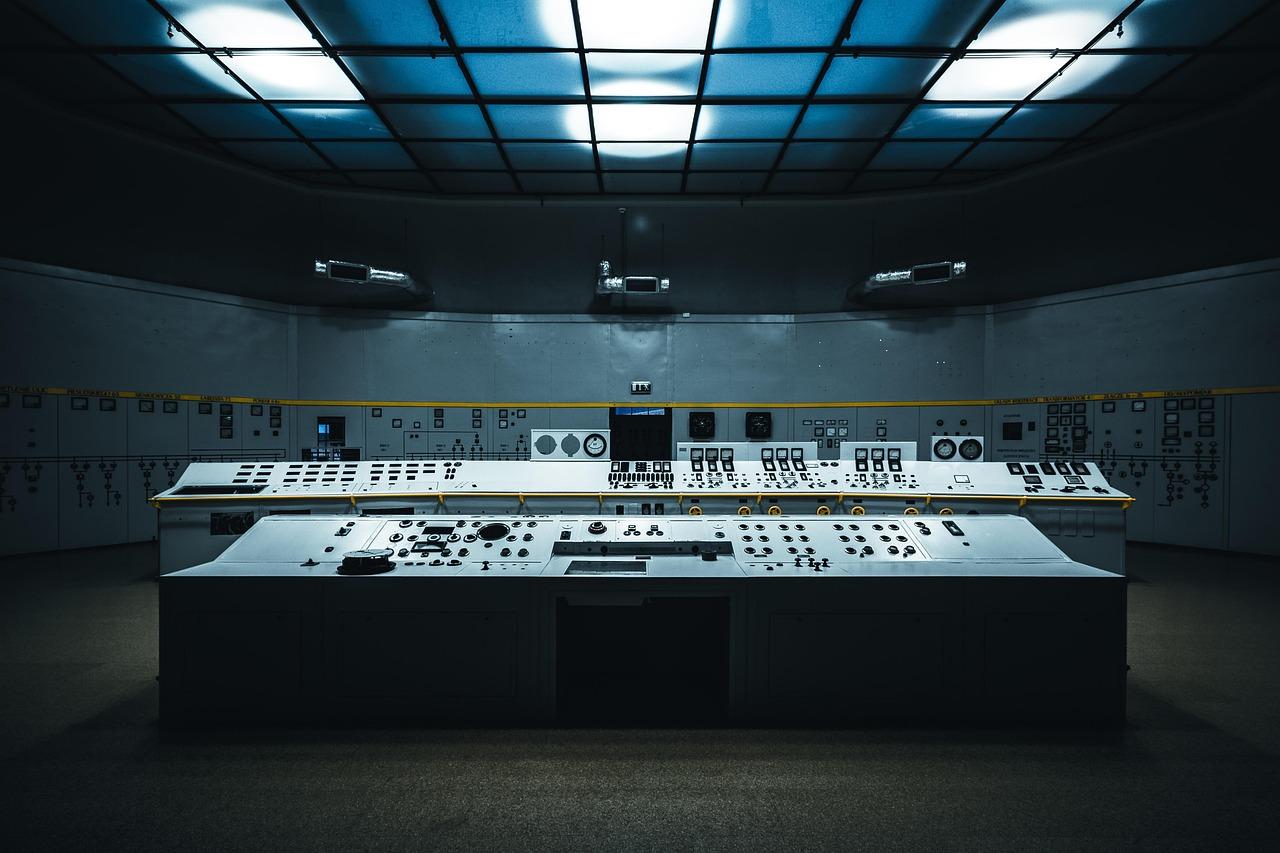
Anthropic has posted dozens of specialised safety roles aimed at preventing misuse of AI for chemical, explosive, radiological, financial and cyber harms.
Anthropic has published 32 job listings for roles intended to prevent misuse of AI systems — covering threats from improvised explosives and chemical hazards to radiological and nuclear harms, financial scams and cybercrime. The posted positions aim to recruit domain experts who can identify and mitigate specific dangers.
What the company says and why this matters
Anthropic has previously warned that its own technology could pose existential risks if misused. The newly advertised positions are meant to bring in people who understand particular harms and how AI could accelerate them.
One job description states: “As an Enforcement Analyst focused on Radiological & Nuclear Harms, you will play a critical role in protecting against the misuse of AI systems for radiological and nuclear harms.” Compensation for these roles is described as ranging in the mid‑ to upper‑$200Ks.
An Anthropic spokesperson said, “Ensuring our models don't provide potentially harmful information is central to responsible development,” and explained the company regularly hires experts in sensitive fields — people who understand the harms and how AI might enable them — to stress‑test systems and strengthen defenses before a model goes live. The spokesperson added that explicitly naming the harm in job titles helps recruit the right candidates.
Why Anthropic in particular
Anthropic has faced more criticism than many other labs for emphasizing doomsday scenarios. Still, the company is committing resources to its safety stance: the detailed job listings and targeted hiring indicate a concrete investment in preventing worst‑case outcomes.
CEO Dario Amodei has long warned about malicious uses of AI. In a January essay he singled out biological attacks as among the most worrisome scenarios, arguing that although such attacks might not occur immediately when they become possible, over time there is a serious risk of a major incident with very large casualties. Earlier this year, Anthropic split with the U.S. Department of Defense over concerns about its technology being used for mass surveillance and autonomous weapons.
Who they're hiring and how the work is done
As models grow more powerful, AI labs are expanding safety teams. Anthropic's openings include analysts focused on chemicals and explosives, nuclear and radiological threats, financial scams and cybercrime. The company says safety analysts must be able to think like someone trying to evade detection, and that many employees are dedicated full‑time to safety work, stress‑testing models and patching vulnerabilities.
These jobs require more than backend coding skills — real‑world expertise in biology, explosives, radiological science or other domains is necessary to recognize risks and evaluate model behavior. For comparison, OpenAI has advertised a researcher position on biological and chemical risks with an annual base salary of $295,000 to $445,000, illustrating the competition for such specialists.
Bottom line
Talent is gravitating toward the private sector rather than government roles. Combined with the lack of a coherent regulatory framework, that means companies are taking the lead on putting guardrails around increasingly capable AI systems. Anthropic's targeted hiring and compensation show it is investing in domain expertise to try to prevent AI‑enabled harms.
Related articles More from the section.

Anthropic CEO Defends Human Decision-Making in AI Governance
Anthropic CEO Dario Amodei rejected suggestions that he supports handing human decision-making over to artificial intelligence.
Safety · November 25, 2026
Anthropic CEO Rejects Surrendering Human Self-Determination to AI
Anthropic CEO Dario Amodei said people should not give up self-determination to artificial intelligence, while distinguishing that principle from giving AI greater autonomy over specific tasks.
Safety · November 25, 2026
Researchers Raise Concerns About Controlling Advanced AI Models
Employees at OpenAI and Anthropic are debating whether increasingly powerful unreleased AI models can be kept under control, according to Axios.
