AI-generated text
AI 'Nudify' Apps Fuel Widespread Harassment and Harm Among U.S. Youth
Safety · June 14, 2026
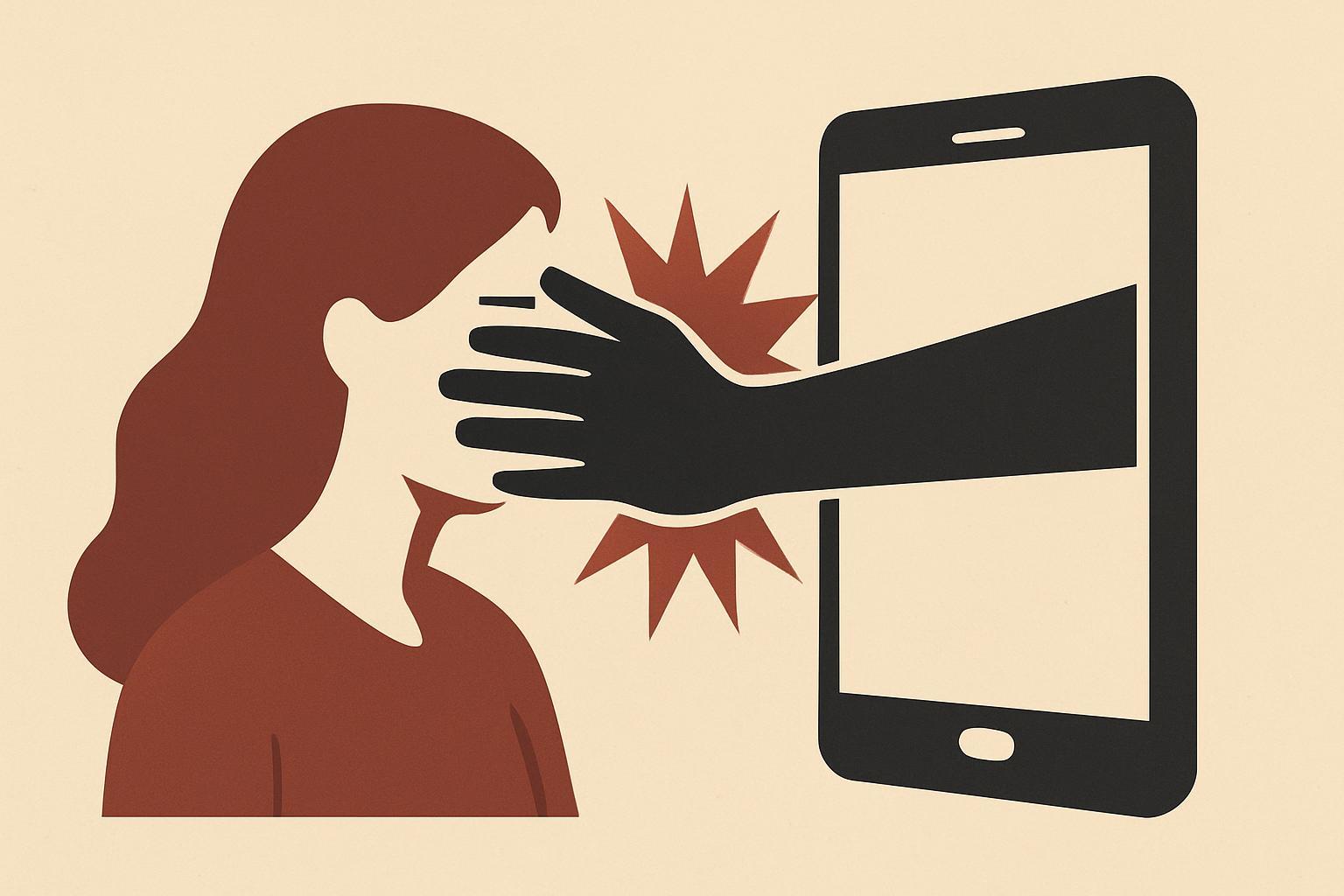
AI-powered 'nudify' applications that can produce fake nude images from a single photo have become widespread, leading to a surge in harassment, blackmail and tragic outcomes among young people in the United States.
In this article · 4
AI-driven "nudify" applications that can generate fake nude images from a single photograph have spawned a new and particularly dangerous form of harassment among young people in the United States. Advances in technology now allow creation of pornographic deepfakes from just one photo, with potentially devastating personal consequences for the victims.
Scope and figures
A recent study by George Mason University found that of 557 surveyed American teenagers, more than half had used such an app at least once, and one third had been victims — meaning nude images of them were created and circulated without consent. A January investigation by the Tech Transparency Project found that more than one hundred such apps were available in the Apple and Google app stores at one point; users downloaded these apps over 700 million times in total, generating roughly $117 million in revenue for developers.
Although Google banned the search term "nudify" in its app store in May and Apple introduced similar restrictions, the services remain readily accessible via other websites and social media. The investigation also highlighted an organized promotional network on the X platform consisting of about 45,000 accounts.
Specific abuses and impacts
The abuses have severe personal and legal consequences. In Massachusetts, Megan Mancini reported that a classmate produced a deepfake of her elementary-school daughter and circulated it on Snapchat within the school. During the police investigation the mother was only able to receive a black‑and‑white printed copy for legal reasons because the image depicted a minor; although the boy admitted the act, he received no school discipline.
In Indianapolis, teacher Angela Tipton was the target of pornographic deepfakes created by her eighth‑grade students and spread throughout the school. Tipton ultimately changed jobs and decided to move to another state, even changing her name this summer.
There are also tragic outcomes: Shannon Heacock’s 16‑year‑old son, Elijah, died by suicide after an unknown perpetrator used fake nude images to extort him for money.
International and legal responses
The Internet Watch Foundation reported that in 2025 more than 3,400 videos depicting sexual abuse of children created with artificial intelligence were registered — a sharp rise compared with 2024, when authorities recorded only a handful of such cases.
In the United States, the Take It Down Act went into effect in May this year; it makes publishing intimate images without consent, including AI‑generated images, a federal crime and requires online platforms to remove such content within 48 hours. At the same time, the European Union is considering a complete ban on nudify applications.
Legal and practical obstacles
Affected families argue that laws and platform measures continue to place the burden of proof and enforcement on victims, and that many distribution channels remain outside legal reach — for example encrypted group messages or files downloaded directly to devices. Carrie Goldberg, a prominent lawyer in this field, has said that many of these abuses remain hidden, are not investigated thoroughly by authorities, and only rarely lead to criminal charges.
As a result, parents often take on the task of trying to remove images from the internet, but these efforts typically fail, while the long‑term effects on victims’ lives can be profound.
Related articles More from the section.

The New York Times restricts Photoshop version over generative AI concerns
The New York Times has barred photographers working on its assignments from using Photoshop 2027, citing concerns that some tools may apply generative AI without making it clear to users.
Safety · November 26, 2026
AI Speeds Up Cyberattacks as Organizational Gaps Slow Adoption
Experts at the Portfolio AI & Digital Transformation 2026 conference said AI is accelerating cyberattacks while poor data quality, legacy infrastructure and organizational readiness continue to hinder corporate adoption.
Safety · November 25, 2026
T3 Code says it collected only basic usage data
According to a statement from T3 Code, the service did not sell or upload user data, files, prompts, or responses.
