AI-generated text
AI-generated fake stores target November shoppers
Safety · November 25, 2026
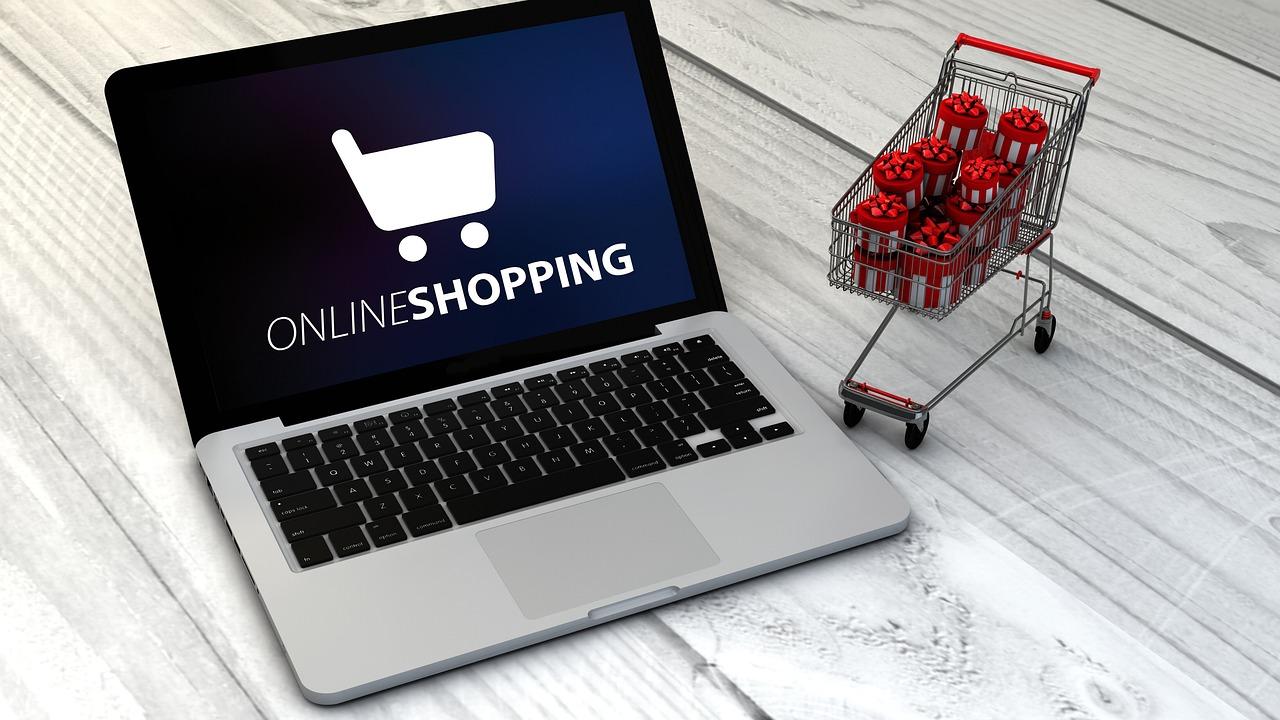
Fraudulent online stores are using AI-generated content and paid advertising to reach shoppers during the November sales season.
In this article · 5
Scammers as well as shoppers are preparing for the discounts around Black Friday and the following Cyber Monday. Many retailers begin their promotions in early November, and fake online stores appear alongside them, using polished designs and flawless Hungarian text to resemble legitimate merchants.
According to a recent international analysis, 74% of fraudulent online stores use AI-generated content, and a new fake shop appears every three minutes.
Ads can lead shoppers to fraudulent sites
Where suspicious email and text-message links were once a main route to scam sites, many fake stores now attract visitors through paid advertising. These ads can appear alongside genuine offers on social media and in search engines. The analysis found that one in five fraudulent online stores is linked to an advertisement on a major online platform.
Dubious sites often use well-known online store-building services, giving them a professional appearance. Scammers also pay attention to timing and local markets: the number of fake stores rises sharply in early November, and the sites may use the local language and currency.
When an advertised offer looks exceptionally attractive, a safer approach is to type the retailer’s official address into the browser rather than click the ad, then look for the deal on the retailer’s own site.
AI recommendations are not a substitute for checks
AI assistants can help shoppers find products and compare prices, but their recommendations can include fraudulent stores. In one case, an assistant suggested a fake shop alongside legitimate retailers to a shopper seeking a cheaper alternative to a branded leather jacket.
Before paying, shoppers should check an AI-recommended merchant just as they would one they found themselves. ESET says its AI conversation protection feature automatically scans links in AI responses and warns users when they lead to phishing or malicious sites.
Warning signs to look for
Correct spelling and a polished design no longer prove that a store is trustworthy. Possible warning signs include:
- Unusually large discounts: legitimate retailers may offer reductions of 80–90% on only a few products; caution is warranted if everything on an unfamiliar site is discounted by that amount.
- Pressure to act quickly: messages about a short deadline or only a few items remaining can discourage shoppers from checking the store.
- Only five-star reviews: uniformly enthusiastic reviews may not come from real customers.
- Missing company information: look for details of the business operating the store and a way to contact customer service.
- A new or unusual web address: fraudulent sites are often recently registered and may use a misspelled or modified version of a known brand name.
- Unusual payment methods: it can be suspicious if payment does not take place on a known, secure payment page, or if the store asks for a hard-to-trace payment such as a gift card or cryptocurrency.
The padlock in a browser indicates only that the connection is encrypted; it does not establish that a merchant is trustworthy. ESET also offers a free link-checking service that looks for threats associated with suspicious links, including malware, phishing and other online scams.
What to do after disclosing card details
Anyone who suspects they have paid on a fraudulent site should act quickly:
- Block the card immediately through the banking app or the bank’s 24-hour telephone support line.
- Report the fraud through the bank’s official channels and ask whether the transaction can be reversed.
- File a report with the police.
- If an account was created on the site, change the password on other services too if it was reused.
- Be wary of anyone offering to recover the money for a fee: scammers may contact victims again, sometimes impersonating authorities.
The role of security software
Careful checks matter, but professional-looking fake stores can be difficult to identify. Security software may also help filter fraudulent sites and protect personal data.
ESET says its Secure Banking and Browsing feature includes a browser extension that checks visited websites and encrypts communication between the keyboard and browser during payments. Identity Protection in the ESET Home Security Ultimate package monitors the dark web and alerts users if personal data has been leaked.
Related articles More from the section.

T3 Code says it collected only basic usage data
According to a statement from T3 Code, the service did not sell or upload user data, files, prompts, or responses.
Safety · November 25, 2026
Anthropic CEO Defends Human Decision-Making in AI Governance
Anthropic CEO Dario Amodei rejected suggestions that he supports handing human decision-making over to artificial intelligence.
Safety · November 25, 2026
Anthropic CEO Rejects Surrendering Human Self-Determination to AI
Anthropic CEO Dario Amodei said people should not give up self-determination to artificial intelligence, while distinguishing that principle from giving AI greater autonomy over specific tasks.
