AI-generated text
AI blood test predicts cardiovascular risk up to 15 years ahead
Research · July 20, 2026
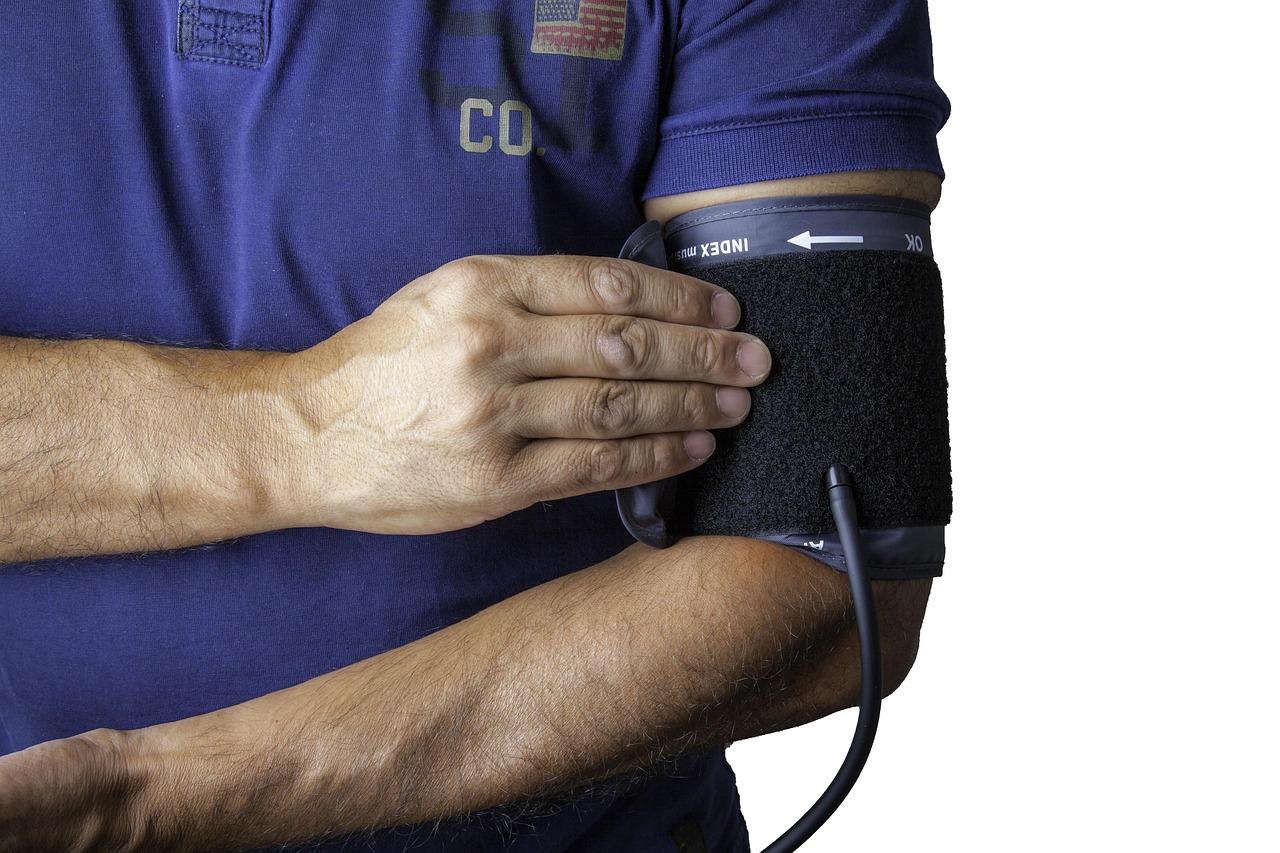
Researchers at the University of Hong Kong developed CardiOmicScore, an AI-based blood test that measures 2,920 proteins and 168 metabolites to estimate risk for six cardiovascular diseases, including heart attack, stroke and heart failure, up to 15 years before symptoms.
In this article · 5
Researchers at the University of Hong Kong have developed an AI-based blood test called CardiOmicScore that measures 2,920 proteins and 168 metabolites to predict six cardiovascular diseases — including heart attack, stroke and heart failure — up to 15 years before symptoms appear. The work was published in Nature Communications.
What the test measures and how it works
CardiOmicScore analyzes a single blood sample to quantify a large panel of molecular markers: 2,920 proteins and 168 metabolites. These measurements are fed into a machine learning model that produces risk estimates for the targeted cardiovascular outcomes. According to the authors, the model outperformed conventional genetic risk scores in their analyses.
Why this differs from genetic risk scores
Traditional genetic risk scores derive from inherited DNA variants and provide a largely static estimate of lifetime risk. By contrast, protein and metabolite biomarkers reflect the body's current physiological state and change with lifestyle, aging, illness or treatment. That means CardiOmicScore can detect both emerging risk and reductions in risk over time, rather than giving a fixed baseline set at birth.
Practical implications
A key advantage is that the test requires only a single blood draw, potentially lowering the barrier to early cardiac risk screening that previously often relied on specialist imaging and longitudinal assessment. The ability to flag elevated risk up to 15 years in advance, combined with sensitivity to changes in the patient’s condition, creates a time window in which clinicians and patients may take preventive action.
Limitations and next steps
While the published analyses showed better performance than genetic scores, broader clinical implementation will require additional validation in larger and more diverse populations. Practical rollout will also depend on factors such as availability, cost, and regulatory approvals.
Conclusion
CardiOmicScore pairs large-scale protein and metabolite profiling from a single blood sample with AI to predict multiple cardiovascular events up to 15 years ahead. Its main advantage is that it tracks the body's current state, potentially turning long-term risk prediction into actionable early warning.
Related articles More from the section.

New Test Measures AI Model Performance on Long Engineering Tasks
A new study examines how AI model performance on long engineering tasks improves with the computing capacity used during testing.
Research · November 25, 2026
AI labs publish mathematical proof claims awaiting review
OpenAI and Anthropic have published AI-assisted claims on major problems in computational complexity, including the matrix multiplication exponent and the separation of VP from VNP.
Research · November 25, 2026
Register reuse speeds up NVFP4 attention on NVIDIA RTX Blackwell
A revised attention kernel reuses registers and interleaves operations to keep Tensor Cores busier on NVIDIA RTX Blackwell GPUs.
