AI-generated text
ADIPEC highlights AI's rise and shifting Gulf dynamics in wake of Iran war
Industry · November 3, 2026
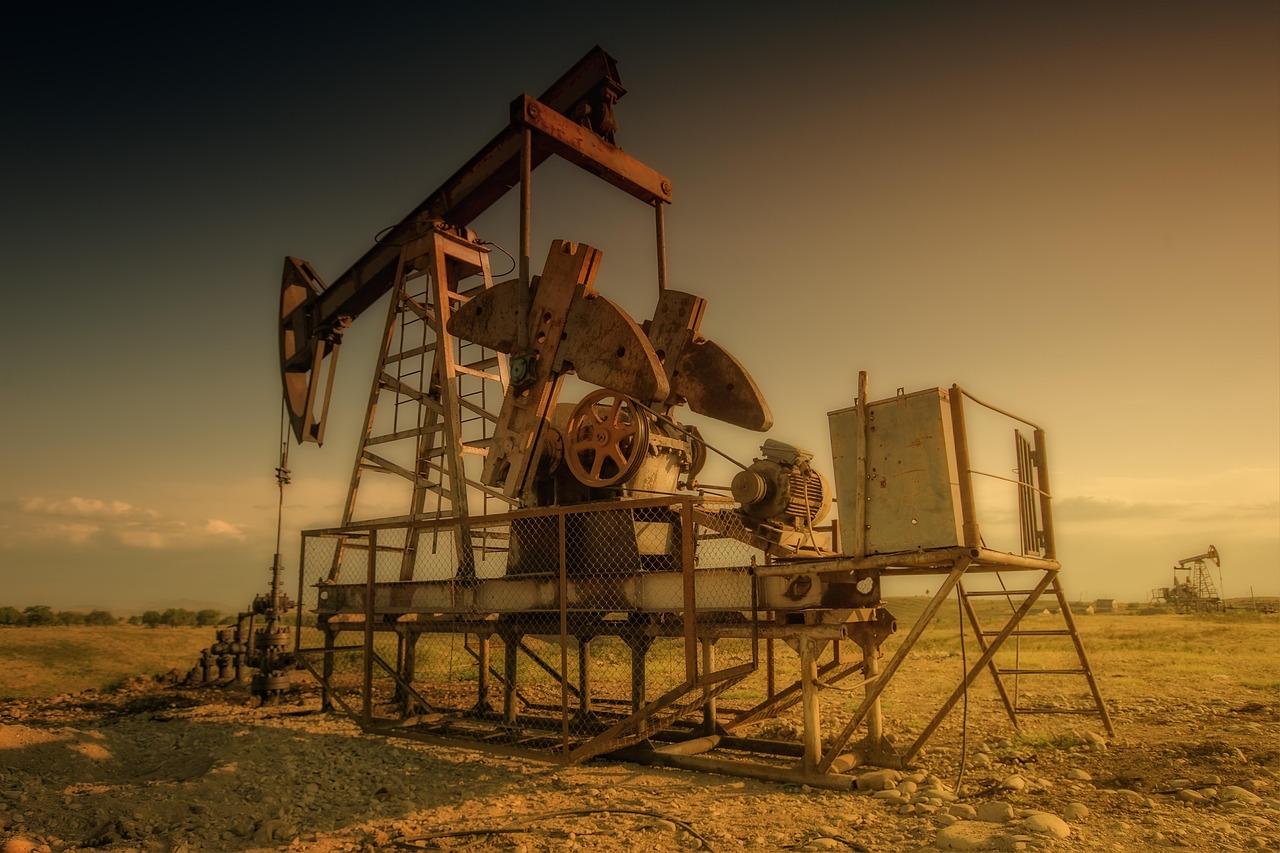
Abu Dhabi’s ADIPEC conference reflected a regional energy sector adapting to the shocks of the Iran war and to longer-term technological change.
In this article · 3
Abu Dhabi’s ADIPEC, one of the largest annual gatherings in the global energy calendar, this year provided visible signs that the United Arab Emirates has absorbed the shocks of the Iran war and is looking ahead. Conversations at the event focused on opportunities such as oil trading above $100 a barrel, a newly unlocked unconventional oil play in the UAE, fusion energy, artificial intelligence, and infrastructure upgrades.
OpenAI chief executive Sam Altman spoke at the opening ceremony, underscoring the growing ties between the energy industry and technology. Sultan Al Jaber, UAE minister of industry and advanced technology and managing director and group chief executive of ADNOC, hosted Altman as a guest of honor to emphasize AI’s role in the sector.
Shifts in attendance and regional dynamics
This ADIPEC differed from earlier editions. The UAE’s decision to leave OPEC altered the conference’s makeup; past gatherings regularly assembled OPEC energy ministers and enabled major side meetings. This year Saudi Aramco did not even have a booth, a signal of strained Gulf business relations.
While major Saudi, Kuwaiti, Omani and Qatari companies largely stayed away, the rest of the world was present: participants from more than 170 countries attended. Observers also noted the absence of top executives from ExxonMobil and Chevron and a lack of visible US government representation.
Amos Hochstein, a former senior energy and national security adviser to President Joe Biden, was blunt in his assessment: "I think they should be here," he said of US officials. "The United States and UAE are close allies, you have to be here when it counts."
AI partnerships and operational aims
Although the Iran war is reshaping trade flows and alliances across the region, many industry figures said the longer-term and more decisive shift may come from AI—determining future winners and losers. Hochstein described the UAE as a "critical partner for the US when it comes to AI buildout."
In a concrete move, Abu Dhabi National Oil Company (ADNOC) agreed to become the first energy company to deploy OpenAI Frontier, as part of a partnership with OpenAI and G42. The collaboration aims to improve operations, increase resilience, and boost productivity. "From the moment ChatGPT was born, the world has asked what energy can do for AI," Sultan Al Jaber said. "And now, together, we will find out what AI can do for energy."
Market sentiment and outlook
Topics circulating at ADIPEC included higher oil prices, exploration of new unconventional oil opportunities in the UAE, fusion energy prospects, and a need for infrastructure upgrades. Bloomberg reported that energy executives in Abu Dhabi described disruption as now a permanent feature of their business.
Overall, this year’s ADIPEC reflected an industry adapting to geopolitical shocks while accelerating investment and partnerships around technology—especially AI— even as regional political decisions reshuffle who attends and influences the debate.
Related articles More from the section.

UK pension regulator warns of concentrated AI investment exposure
The Pensions Regulator’s new chair, Emma Douglas, says index-tracking strategies may leave pension funds more exposed to AI-related companies than their managers realise.
Industry · November 25, 2026
Magyar Telekom expands Budapest data center for AI workloads
Magyar Telekom is investing several billion forints to expand its Budapest data center for conventional computing and AI-related workloads.
Industry · November 25, 2026
AI and commercial data requests put pressure on US public records offices
Public records offices across the United States are facing growing workloads as businesses collect government purchasing data and individuals use AI to draft requests.
