AI-generated text
Adaptation, Not Tooling: Hungarian Firms Must Integrate AI Through Data and Skills
Industry · June 2, 2026
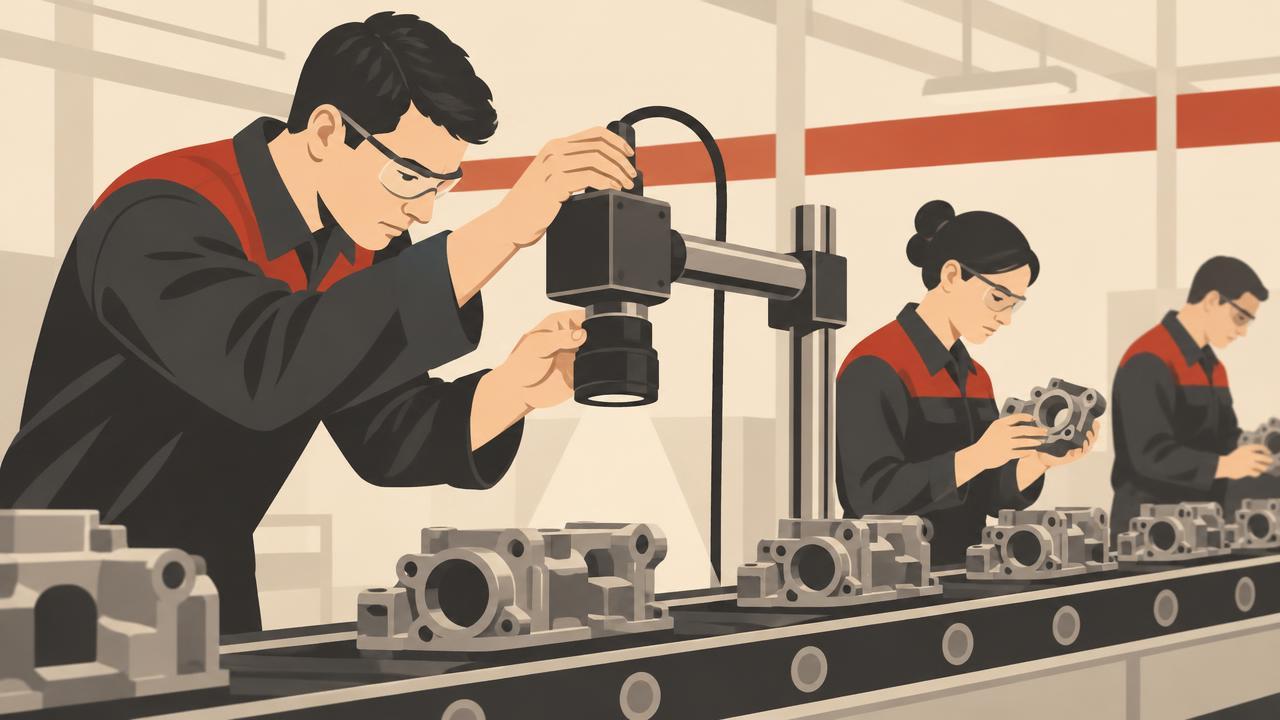
According to AI specialist Filó Angéla, founder of AI-Mentor, Hungarian companies no longer face a question of whether to use AI but how to adapt to it.
In this article · 4
Filó Angéla, founder of AI‑Mentor and an AI specialist, argues that for Hungarian companies the central question is no longer which AI model or tool is best, but whether organisations can adapt to AI. The programme’s regular guest was Aczél Petra, communication researcher and professor at Széchenyi István Egyetem.
According to Filó, most businesses have already encountered artificial intelligence and many have tried ChatGPT or other generative models. The issue is not unfamiliarity but uncertainty: fears about job losses and uncertainty about how to integrate AI into daily operations. At the same time, younger employees are increasingly fluent in using these tools.
Clean data before automation
Filó says many firms start the AI transition in the wrong place: before discussing automation, chatbots or intelligent assistants they need to sort out their data. Without proper file structures, consistent document management, clean databases and transparent corporate processes, AI cannot work effectively — poor data quality yields poor outcomes.
She emphasises that human oversight remains necessary in sensitive areas such as customer service, healthcare and strategic decision‑making. It is a misconception that AI will automatically solve all problems.
Leadership, training and new roles
The conversation included examples of company leaders who voluntarily attended AI trainings, sometimes on weekends. Their motivation was not obligation but a desire to keep up with younger employees who often adopt new tools faster. AI therefore becomes not only a technological issue but a leadership competency.
Filó also noted that AI can create jobs as well as eliminate them. Companies will increasingly need professionals who understand both business issues and AI capabilities — not only developers but so‑called AI‑generalists who can connect technology with corporate operations.
Speed of integration is decisive
For most Hungarian companies the question is no longer whether to engage with AI, but how quickly they can integrate it into operations. Technology is advancing while employees already use the tools; firms that do not develop deliberate strategies may find AI present in their organisations — but operating under rules they did not set.
Main topics from the discussion (with timestamps)
- What does an AI specialist do and what is AI‑Mentor? (01:13)
- Is openness to AI really an age question? (05:16)
- Do different problems require different AI tools? (08:16)
- Does AI really reduce costs? (16:44)
- In which areas does human involvement remain indispensable? (19:05)
- What makes an AI‑based customer service credible? (24:01)
- Which jobs are likely to be at risk first? (28:33)
- What new AI professions are emerging in companies? (31:09)
- How can AI change Hungarian businesses? (38:16)
The discussion highlights that access to technology alone is insufficient: organisational preparedness, data hygiene and leadership engagement are the keys to turning AI into real business advantage for Hungarian companies.
Related articles More from the section.

Magyar Telekom expands Budapest data center for AI workloads
Magyar Telekom is investing several billion forints to expand its Budapest data center for conventional computing and AI-related workloads.
Industry · November 25, 2026
AI and commercial data requests put pressure on US public records offices
Public records offices across the United States are facing growing workloads as businesses collect government purchasing data and individuals use AI to draft requests.
Industry · November 25, 2026
Asian tech shares fall as investors question returns on AI spending
Asian technology stocks fell sharply on Wednesday after another sell-off on Wall Street, with Japanese companies exposed to the AI supply chain among the biggest losers.
